Quick answer: A solar watch uses light to generate electricity. In a conventional solar quartz watch, that electricity powers the movement; in many solar smartwatches, it supplements cable charging. A thin solar cell, usually hidden under the dial, turns sunlight or indoor light into electricity for the rechargeable cell. Many solar quartz models can run for months in darkness after a full charge. Reserve and charging time depend on the model, and the rechargeable cell may eventually need servicing or replacement.
If you’ve ever left a dead watch in a drawer for months, a solar watch is the fix. You get the accuracy and low price of quartz without the regular battery swaps.
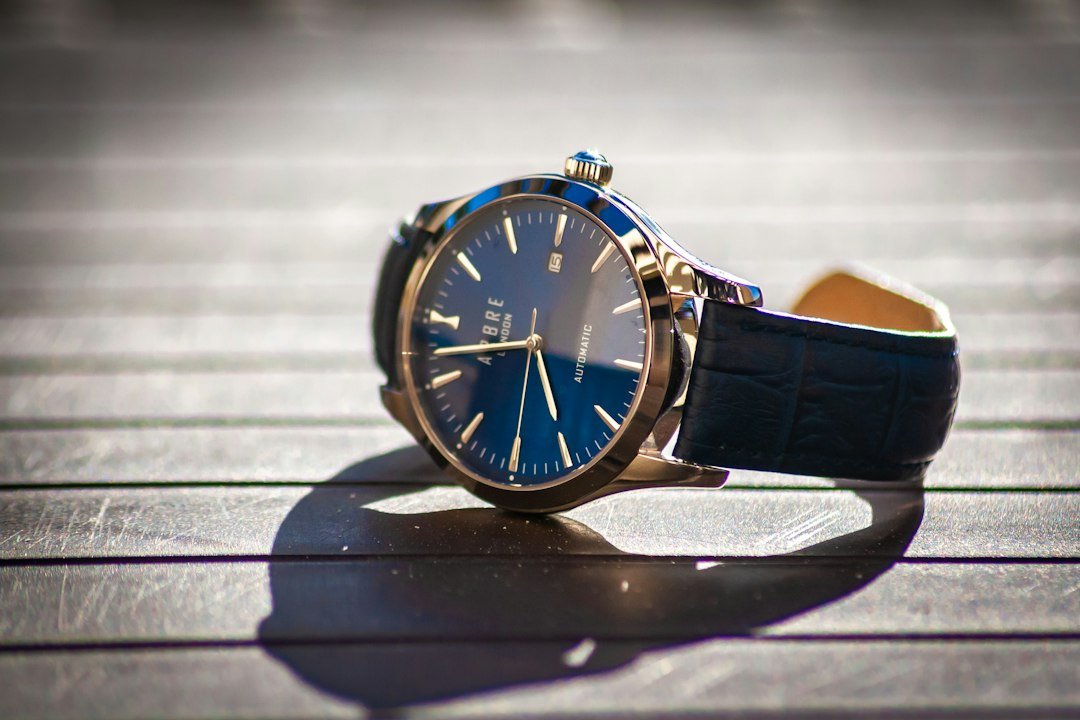
How Does a Solar Watch Work?

Every solar watch has three main parts:
- The solar cell. A photovoltaic panel sits under a dial that lets light pass through, or around the edge of the dial. It works with any light, not just sunlight. Office lights and lamps also charge it, just more slowly.
- Rechargeable cell. Energy is stored in a rechargeable cell, not a disposable battery, and the cell chemistry depends on the model. This keeps the watch running at night and in your drawer.
- Quartz movement. Stored energy powers a quartz crystal that vibrates at a precise frequency, and the movement turns that into accurate timekeeping. Quartz is far more accurate than most mechanical watches.
Many solar watches also have a power-save mode. In the dark, many models stop the hands or blank the display, but the internal clock keeps counting. When light hits the dial again, it wakes up and resets itself to the right time.
How Long Does a Solar Watch Run in the Dark?
How long it runs depends on the model. Citizen says its Eco-Drive watches run for more than six months on a full charge, even in total darkness. Some models last much longer than that. With power-save features, Citizen quotes power reserves from about six months up to several years on certain models.
Regular light exposure can maintain the charge, but sleeves, weak indoor lighting and power-hungry functions can leave it short. Check its charge indicator and manual.
How long does it take to charge?
Charging speed depends on how bright the light is. Direct sunlight charges a solar watch fastest. A bright window spot is slower, and office lighting is slowest. Use the charging table in your model’s manual. Restarting a stopped watch and charging it fully can require very different exposure times.
One warning: don’t leave a watch on a hot car dashboard or a sunny windowsill in summer heat. High temperatures can damage the cell and other parts.
How solar watches went from novelty to mainstream
- 1970s: The first solar-powered watches appeared alongside the quartz boom. In 1976 Citizen released the Crystron Solar Cell, widely recognised as the first light-powered analogue quartz watch.
- 1990s: Citizen launched the Eco-Drive name and made light-powered watches mainstream.
- 2012: Seiko introduced the Astron GPS Solar, the first watch to combine solar power with GPS time-setting.
- Today: Citizen Eco-Drive, Casio Tough Solar, Seiko Solar and solar smartwatches like Garmin’s Solar models are all widely available.

Pros and Cons of a Solar Watch
| Pros | Cons |
|---|---|
| No regular battery changes | Needs regular light exposure |
| Quartz accuracy | Rechargeable cell can eventually wear out and need replacing |
| Less waste from disposable batteries | Dial designs can be limited by the need to let light through |
| Fewer case openings, which helps protect water resistance | Lacks the craftsmanship appeal of a mechanical watch for collectors |
| Affordable options from many brands | Can stop if stored in a dark drawer for months |
Solar vs Quartz vs Automatic vs Kinetic
| Type | Power source | Accuracy | Maintenance |
|---|---|---|---|
| Solar quartz | Light, stored in a rechargeable cell | Very high | Very low |
| Battery quartz | Disposable battery | Very high | Battery change every few years |
| Automatic (mechanical) | Your wrist movement winds a mainspring | Lower; can gain or lose seconds per day | Service every several years; stops if not worn |
| Kinetic / auto-quartz | Wrist movement charges a cell | Very high | Low, but needs regular wear |
If you love the mechanical side of watches, an automatic still has its charm. Solar is worth considering if you want low-maintenance timekeeping and can give it regular light.
Popular Solar Watches to Consider
Models change often, so check current availability and prices before you buy. These are well-established solar options across different styles:
- Citizen Promaster Diver (BN0150 series): an Eco-Drive dive watch with 200 m water resistance. Specs and prices vary by reference and market.
- Citizen Chandler and other Eco-Drive field watches: simple, readable everyday watches at friendly prices.
- Casio G-Shock with Tough Solar, such as the square GW-M5610 series and the Rangeman line. These are shock-resistant, and many models also set themselves via radio time signals.
- Seiko Prospex Solar and Seiko Astron GPS Solar, which range from tough solar divers to high-end GPS models. The GPS models set time and time zone automatically. Operation and reception conditions vary by model.
- Garmin solar smartwatches: fitness and outdoor smartwatches that use solar charging to extend battery life. Do not assume they replace cable charging; Garmin describes solar as supplemental.
Note that not every watch from these brands is solar. Many Seiko and Orient models, for example, are automatic. Always look for “Eco-Drive”, “Tough Solar” or “Solar” in the product name.
How to Care for a Solar Watch
- Give it light. Don’t hide it under a long sleeve every day, or store it in a dark drawer for months.
- Store it near a window (out of direct, hot sun) when you’re not wearing it.
- Watch for the low-charge signal. Many analogue solar watches warn you of low power by moving the second hand in two-second jumps. Follow the manual’s charging instructions rather than assuming a few hours will fully recharge it.
- Avoid extreme heat, such as car dashboards and saunas.
- Check water resistance ratings before swimming, and get seals checked every few years if you swim or dive with it.
- Replace the cell when needed. Rechargeable cells are designed to last many years. If the watch won’t hold a charge any more, a watchmaker or the brand’s service centre can replace the cell.
Questions people ask about solar watches
Do solar watches need batteries?
Solar watches don’t need disposable batteries at all. Instead, they use a rechargeable cell that’s charged by light. After many years the cell may need replacing, but that’s far less often than a quartz battery.
Can a solar watch charge with indoor light?
Yes, any light source works, including office lighting and lamps. It just charges more slowly than sunlight.
How long do solar watches last?
A well-made solar watch can run for decades. The rechargeable cell is designed to last many years, and it can be replaced when it eventually wears out.
What happens if a solar watch runs out of power?
The watch stops until it gets light again. Put it in bright light, ideally sunlight, until it restarts, then set the time if needed. Leaving it in light for longer will build up its power reserve.
Are solar watches accurate?
Yes, because they use quartz movements. Depending on the model, they’re typically accurate to within seconds per week or month. Radio-controlled and GPS models can correct the time when reception and settings permit.
Is a solar watch better than an automatic?
Solar wins on accuracy and convenience. For craftsmanship and the joy of a mechanical movement, many collectors still prefer automatics. It comes down to what you value.
Is solar right for your routine?
A solar watch is the low-maintenance choice: often accurate and convenient, with a rechargeable cell rather than routine disposable-battery changes. Wear it in normal daylight, keep it away from extreme heat, and it’ll keep running for years. For other watch features, read our guide on what a tachymeter on a watch does and how to use it.