Quick answer: A mid taper fade shortens the sides from about the temple down to the neckline. Unlike a skin fade, it leaves a little hair at the bottom. Ask your barber for a #1 at the sideburns and neckline, blended up through a #2 and #3. Leave 5 to 7 cm on top, and book a clean-up every 2 to 3 weeks.
You show your barber a photo, say “mid taper,” and walk out with a high skin fade. It happens all the time, because shops use these words differently. One barber’s mid taper starts just above the ear. Another starts it near the crown and takes the sides down to skin.
Numbers fix that. Guard sizes mean almost the same thing in Mumbai and Miami, so they travel with you. This guide explains what a mid taper actually is and how it compares with low and high versions. You’ll also get the exact numbers to say in the chair, a trim schedule and real prices. We finish with tips for keeping it sharp through Indian summers and monsoon humidity.
What a mid taper fade actually is
A mid taper fade shortens the sides and back gradually, starting around the temple line. The hair gets shorter as it moves down toward your ears and neckline. At the very bottom, a little hair stays on the skin.
That last detail is what separates a taper from a fade. Most fades take the hair down to bare skin, often across the whole lower half of the head. A taper keeps a short layer at the sideburns and neckline, so it grows out more softly. Even big style sites use the two words as if they were the same. This mix-up is exactly how so many guys end up with the wrong cut.
The difference shows most in week two. Two weeks after a skin fade, you see a dark shadow of regrowth against pale skin. After the same two weeks, a taper just looks a little fuller at the sides.
From the side, you see a smooth blend that starts roughly an inch above the ear. Look at it from behind and the hair narrows neatly into your natural neckline. The top stays longer, usually 5 to 7 cm, so you can style it however you like. Front on, the taper barely shows, which is why it passes in almost any office.
Low, mid or high taper, and how to pick yours
All three tapers follow the same idea. What changes is how high the short section climbs up the side of your head.
| Taper | Where it starts | Usual guards | Skin showing | Best for | Upkeep |
|---|---|---|---|---|---|
| Low | Just above the ear and neckline | #1 at the neckline, #2 to #3 just above the ear | Very little | First-timers, conservative offices, thinning temples | Lowest; grows out cleanly |
| Mid | Around the temple, about an inch above the ear | #1 at the bottom, #2 to #3 up to the temple | A little at the sideburns | Most guys, from office to weekend | Clean-up every 2 to 3 weeks |
| High | Near the top of the temple | #0.5 at the bottom, #2 to #3 near the top of the head | The most | Short crops, tight curls, bold looks | Highest; edges show regrowth fast |
The mid taper sits in the sweet spot of the three. It gives your head more shape than a low taper without the hard contrast of a high one. Guys with straight, thick hair get the most from it. That hair type tends to puff out at the sides, and a mid taper removes the bulk.
Office workers like it for a simple reason. From across a meeting room, it reads as a neat short back and sides. Up close, the blend shows you made an effort. A high taper can look great on a weekend, but it often looks harsh above a formal shirt collar.
If your temples are thinning, start with a low taper instead. A mid taper exposes the temple area, so it can make a receding hairline look deeper. Try the low version for a few cuts, then move up if you like it. Picking a cut you can keep up with matters more than picking the trend.
Mid taper vs mid fade, and which one to ask for
Search “mid fade haircut” and you’ll find photos that look almost the same as a mid taper. Both cuts start in the same place, around the temple line. The real difference is how short the bottom goes.
A mid fade usually takes the sides down to skin or a #0 below the blend. With a mid taper, the bottom stops at a #0.5 or #1, so a little hair always stays.
| Mid taper | Mid fade | |
|---|---|---|
| Shortest point | #0.5 or #1 | Skin or #0 |
| Where it starts | Around the temple | Around the temple |
| Overall look | Soft and natural | Sharp, high contrast |
| Growing out | Evenly, without a hard line | Regrowth shows sooner against the skin |
| Best for | Offices, first-timers, thinning temples | Short crops, tight curls, bold looks |
Choose the mid fade if you want crisp contrast and don’t mind more barber visits. The mid taper suits you better if you want shape that still looks tidy in week three. In very hot weather, a skin fade feels cooler, but it also leaves more of your scalp open to the sun.
Switching between the two is simple at the chair. To turn the script below into a mid fade, swap the #1 at the bottom for skin or a #0.
The guard numbers to give your barber
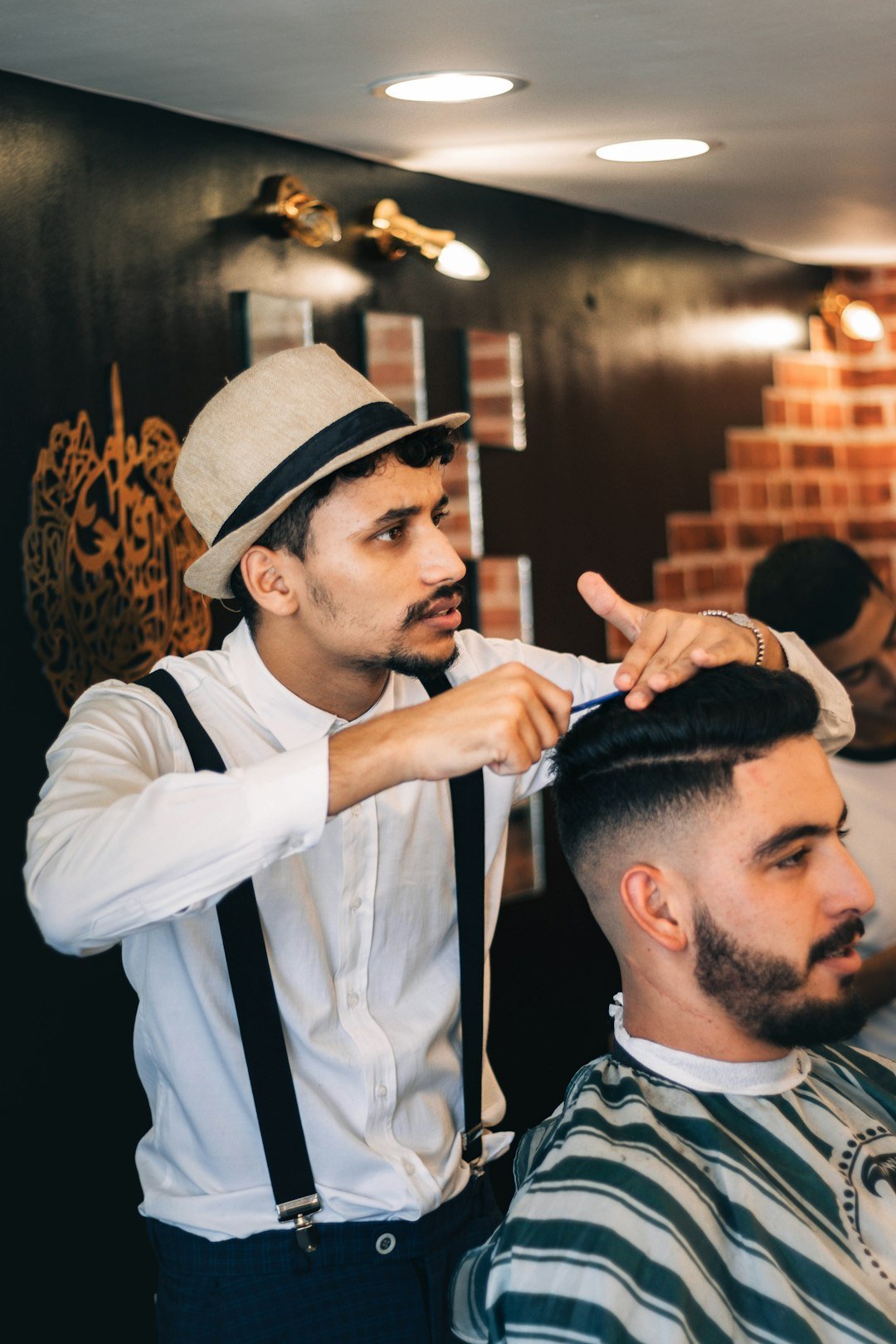
Clipper guards are numbered by the length of hair they leave. A #1 leaves about 3 mm and a #2 about 6 mm. Going up, a #3 leaves about 10 mm and a #4 about 13 mm. Zero means no guard at all, and its length varies from clipper to clipper.
| Zone | Guard | Length left |
|---|---|---|
| Sideburns and neckline | #0.5 or #1 | 1.5 to 3 mm |
| Lower sides, below the ear | #1 to #2 | 3 to 6 mm |
| Middle sides, up to the temple | #2 to #3 | 6 to 10 mm |
| Where the taper meets the top | #3 or scissors | 10 mm and longer |
| Top | Scissors | 5 to 7 cm |
Treat this chart as a starting point, not a rule. Every head shape is different, and a good barber will adjust by a guard or half a guard. Some barbers work mostly with scissors over a comb. If yours does, give the same lengths in millimetres instead of guard numbers.
Here’s a script you can say in the chair, word for word. “I’d like a mid taper fade. Start it about an inch above my ears. Take the sideburns and neckline down to a #1, then blend up through a #2 and #3. Please leave about 6 cm on top.”
For a softer finish, ask for a #1.5 at the bottom instead of a #1. Going sharper means a #0.5 at the bottom and a tighter blend. Before the clippers touch your head, ask to see the first guard. That five-second check can save you three weeks of growing out a mistake.
Bring two photos, one from the side and one from the back. Most guys only show the front, which hides the taper completely. The back photo tells your barber where the neckline should finish.
Eight ways to wear a mid taper fade
A mid taper only handles the sides, so the top decides the overall look. Here are eight tops that work, with the product and time each one takes.
Mid taper with a textured crop
The top is cut short and choppy, then pushed slightly forward. It hides a high forehead and needs almost no work in the morning. Thick, straight hair suits it best, with a little matte clay and about 2 minutes of styling.
Mid taper with a quiff
Keep 7 to 8 cm at the front and blow-dry it up and back. The tight sides make the height on top look deliberate. Round faces and medium to thick hair get the most from it. Use a cream or light pomade, and allow about 5 minutes.
Mid taper with a side part
Ask your barber to mark a soft part on your natural side. This is the most office-friendly version, and it works well with a well-kept beard. Straight hair and formal jobs suit it best, with a light pomade and about 3 minutes of styling.
Mid taper with a slick back
Grow the top to 8 to 10 cm and comb it straight back. The taper stops the sides from puffing out under all that length. It needs thick, straight hair, a water-based pomade and about 4 minutes.
Mid taper with a curly top
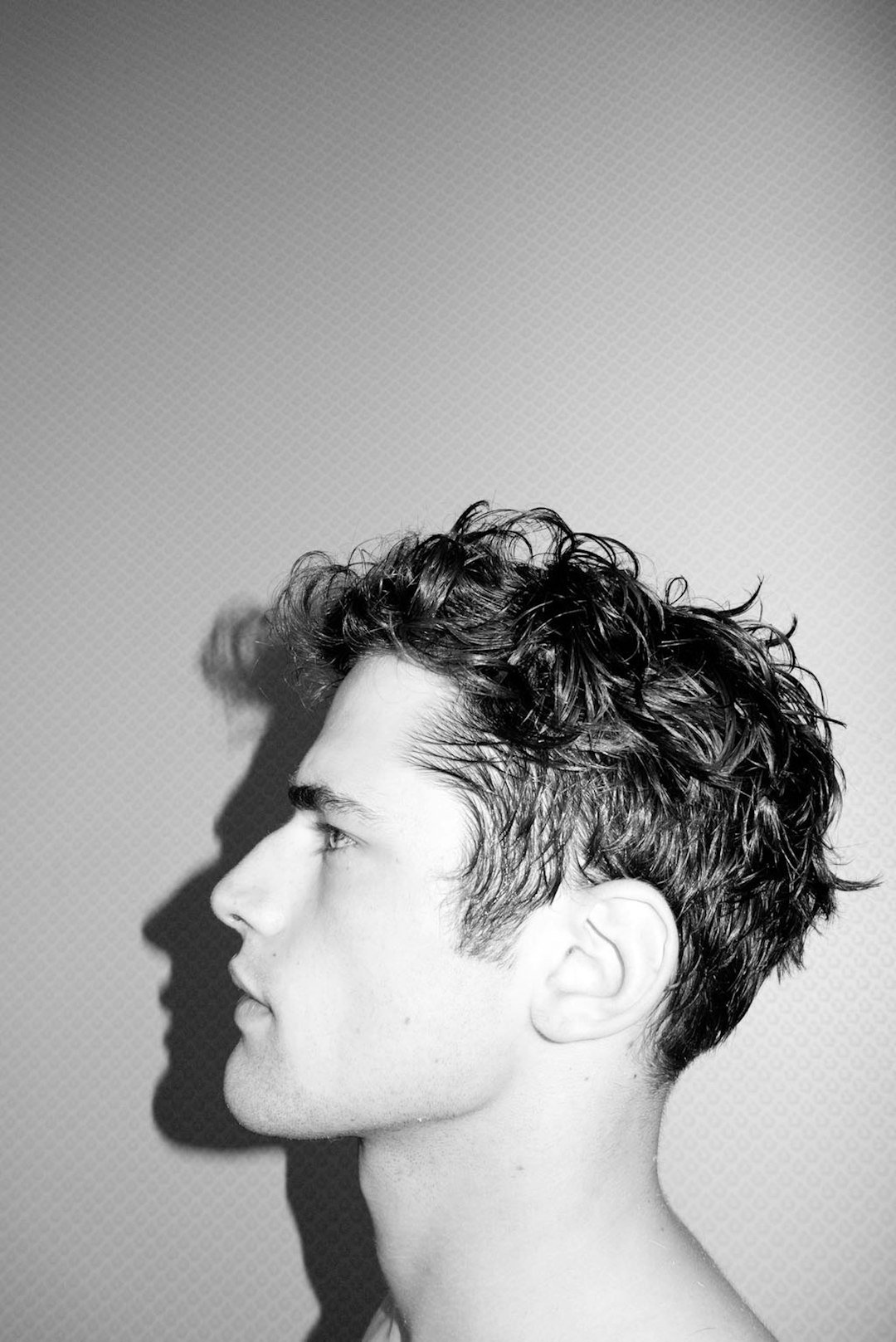
Leave the curls long on top and let the taper frame them. A mid taper controls width at the sides without flattening the curls. Curly and coily hair suit it, with a curl cream and about 3 minutes before you let it air-dry.
Mid taper with a fringe
Grow the front long enough to fall onto your forehead. With tight sides, a fringe looks styled instead of shaggy. Oblong faces and big foreheads benefit most. A sea salt spray and about 3 minutes give it texture.
Mid taper with a buzz cut
Buzz the top with a #3 or #4 and taper the sides below it. You get a clean outline with no styling at all. It’s ideal for busy mornings and hot weather, and it needs no product.
Mid taper on straight Indian hair
Thick, straight hair often sticks out above the ears as it grows. A mid taper removes that bulk exactly where it builds up. Keep 5 to 6 cm on top and add texture so the hair doesn’t lie flat. Dense hair like this takes a matte paste well, and styling takes about 2 minutes.
How often you’ll need a touch-up, and what it costs
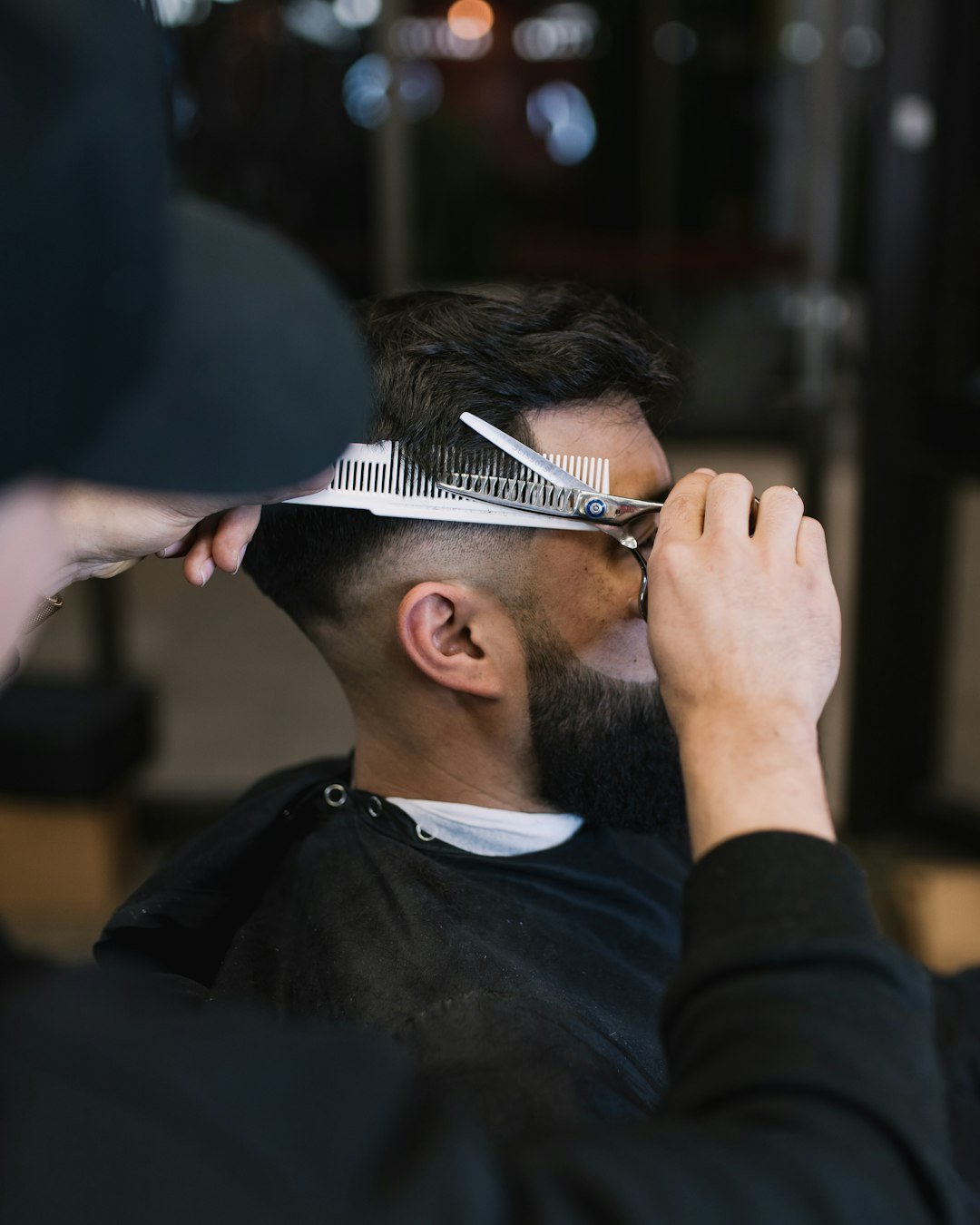
A mid taper looks its sharpest for about two weeks. After that, the sideburns and neckline start to blur first. Book a clean-up every 2 to 3 weeks. Most guys find that a full cut every 4 to 5 weeks keeps the shape.
In the US, a men’s haircut costs about $30 to $45, depending on which salon price survey you read. StyleSeat puts the average at $29, while another national survey lands at $43. At around $40 a visit, two visits a month add up to about $80.
Prices in India vary far more from city to city. A neighbourhood barber in Ahmedabad typically charges ₹200 to ₹350, and some Noida shops start at ₹50. Premium chains such as Toni & Guy charge ₹600 to ₹1,700, depending on the stylist’s level.
Two visits a month at a local Indian barber comes to roughly ₹400 to ₹700. Plan your style around that number. If two visits feels like too much, a low taper is the better fit. It grows out more gracefully and buys you an extra week or two.
Keeping it sharp in Indian heat and humidity
Sweat is the mid taper’s biggest problem. It flattens the top, and humidity makes the shorter sides frizz. Swap heavy, oil-based pomade for a water-based matte clay or paste. Water-based products rinse out easily and won’t slide down your forehead by noon.
Use about a pea-sized amount, rubbed between your palms until it feels warm. Too much product in hot weather turns greasy within a few hours. Wash it out at night, so tomorrow’s styling starts from clean hair.
Monsoon months need a small change in the chair. Ask for the blend to sit slightly lower from June to September. A bit more length on the sides hides frizz better than skin does. Keep a small comb in your bag to reset the top after a commute or helmet ride.
Questions guys ask about the mid taper fade
What is a mid taper fade?
It’s a haircut where the sides and back shorten gradually from the temple down to the neckline. It leaves a little hair at the bottom rather than bare skin.
What’s the difference between a low taper and a mid taper?
A low taper starts just above the ear and neckline, so very little skin shows. The mid version starts higher, around the temple, which gives more shape but needs more clean-ups.
Does a mid taper suit straight hair?
Yes, especially thick straight hair that puffs out at the sides. Keep 5 to 7 cm on top and use a matte product for texture.
Can I get a mid taper with curly hair?
Curly hair is one of its best matches. The taper controls width at the sides while the curls stay long on top. Use a curl cream and let it air-dry.
Is a mid taper fade professional?
From the front, it looks like a neat, short-sided cut, so it passes in most offices. A side part version is the safest choice for formal jobs.
Take these numbers to your next cut
A mid taper fade is easy to get right once you stop relying on the name alone. Ask for a #1 at the sideburns and neckline, blended through a #2 and #3. Leave 5 to 7 cm on top, and book a clean-up every 2 to 3 weeks.
Unsure whether to pick low or mid? Start low, then move the blend up on your next visit. Use a water-based product, and let the blend sit a touch lower in the monsoon.
Screenshot the guard chart above before your next visit. Show it with a side photo and a back photo, and you’ll walk out with the cut you asked for.
This guide was written by the STYPPY Team. Clipper lengths, trim timings and prices were checked against barber guides and published salon price lists in October 2026.