Quick answer: Popular ideas for men range from grey blending, dark brown and ash brown to sandy blonde and subtle highlights. Bolder choices include platinum, silver, copper and fashion shades like blue or pink. For a first try, go one or two shades from your natural color, or start with grey blending. Always do a patch test 48 hours before using permanent dye.
Men’s hair color isn’t just about covering grey anymore. A subtle tint can be easy to maintain, while a full platinum change usually takes more time, money and care. Pick a shade that suits your skin tone and lifestyle. Then match the type of dye to how long you want the color to last.

How to Choose the Right Hair Color
1. Know your skin undertone
Undertones can be a starting point, but vein colour is not a dependable test. Compare colour swatches beside your face in daylight and choose the contrast you prefer. These are styling suggestions, not rules:
- Warm colour preference. Golden, copper, caramel and warm brown shades usually suit you.
- Cool colour preference. Ash brown, ash blonde, platinum, silver and jet black tend to work.
- Prefer a mix of warm and cool tones? Compare both types of swatch rather than forcing yourself into one category.
2. Stay within two shades for a natural look
To look fresher without looking dyed, stay within one or two shades of your natural color. Bigger changes, especially going from dark to blonde, need bleach and more upkeep.
3. Think about maintenance
Hair grows roughly half an inch (about 1.25 cm) a month, so roots will show. Dark-to-light changes show regrowth the fastest of all. If you don’t want frequent touch-ups, choose shades close to your natural color, or highlights that grow out softly.
4. Match your beard (or don’t)
If your hair goes much lighter or darker than your beard, the contrast can look unnatural. Either color the beard to match with a facial-hair product, or keep your head color close enough to blend.
15 Best Hair Color Ideas for Men
1. Grey Blending
Grey blending reduces grey gradually instead of covering it with flat color, so you look younger, not “dyed”. Results depend on product and technique, so ask how much grey it covers and how it grows out.
2. Natural Salt and Pepper
Not every man needs to color. A sharp haircut, a tidy beard and a purple shampoo against yellow tones make natural grey look deliberate.
3. Rich Dark Brown
Deep chocolate or espresso brown looks healthy and glossy, and suits most skin tones. It’s a great choice for men with dark hair who want more shine.
4. Ash Brown
Ash brown has cool, slightly smoky tones that cancel brassiness. It’s ideal for cool and neutral undertones.
5. Warm Chestnut or Caramel Brown
Warm browns with golden or reddish hints add warmth to the face. They’re best for warm undertones and olive skin.
6. Jet Black
Bold and striking, jet black works best on men with naturally dark hair and cooler skin. On very fair skin it can look harsh, so a soft black or dark brown may be kinder.
7. Sandy or Dirty Blonde
A natural-looking blonde with beige and golden tones. Light brown to blonde hair can get here easily. Darker hair will need lightening first.
8. Ash Blonde
Ash blonde is a cooler blonde with a slightly grey cast. Using a purple shampoo once or twice a week keeps it from going brassy.
9. Platinum or Icy Blonde
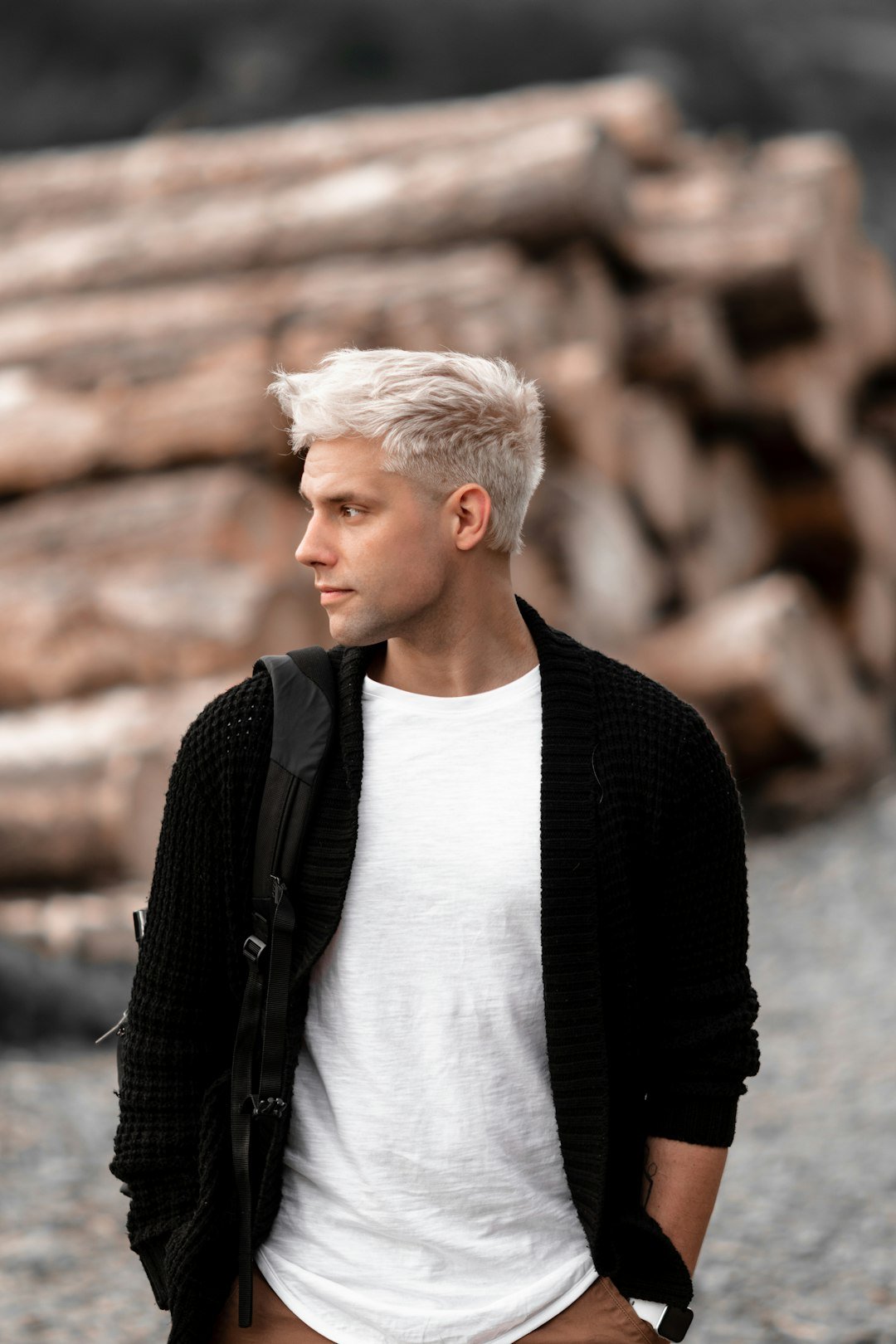
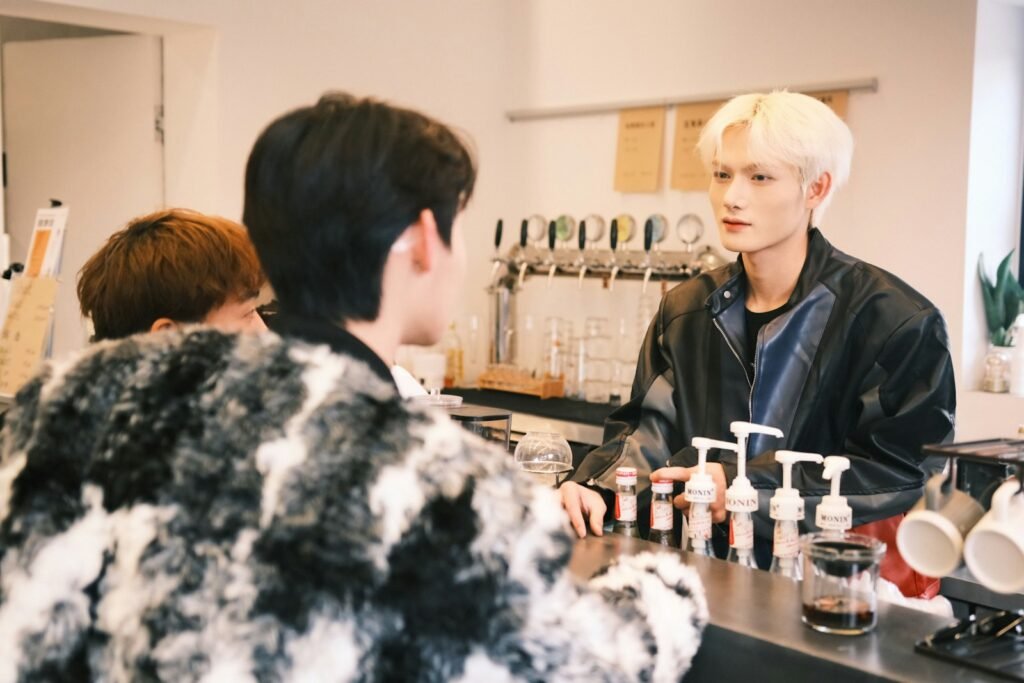
Platinum makes the biggest statement of all. Getting there requires bleaching, then toning, and it’s hard on hair, especially if your natural color is dark. It’s best done by a professional colorist, and expect regular root touch-ups and a strict care routine.
10. Silver or Grey (Intentional)
An all-over silver or metallic grey created on purpose. Like platinum, it needs pre-lightening and toner, and can fade noticeably, so ask about upkeep before committing.
11. Subtle Highlights
Fine pieces a few shades lighter than your base add texture and dimension, especially on short textured cuts and quiffs. They also grow out gently, so regrowth is less obvious.
12. Balayage or Sun-Kissed Ends
Hand-painted lightening on the ends of longer hair mimics the sun naturally lightening it. It’s great for curls, surfer styles and medium-length hair.
13. Copper and Auburn
Warm copper and auburn are eye-catching and look striking with warm undertones and green or brown eyes. Red pigments fade relatively fast, so use colour-safe shampoo and cooler water.
14. Burgundy
This wine-toned red works over dark brown or black hair, often without bleach. It shows as a rich tint in light.
15. Bold Fashion Colors
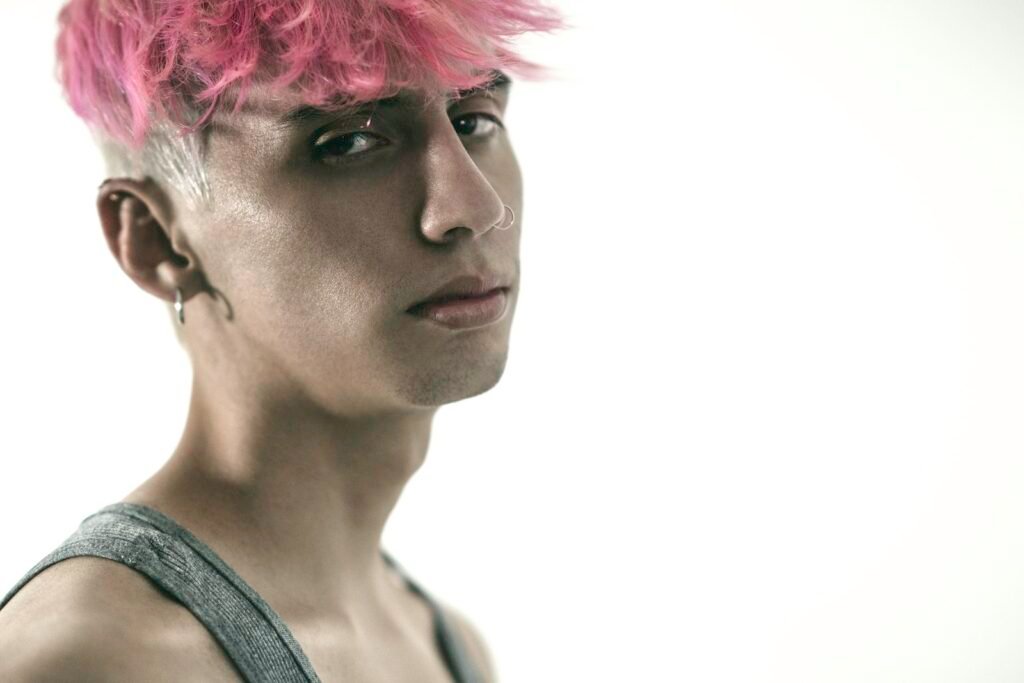
Blue, green, pink, purple or two-tone looks. These usually need a light blonde base to show up. Semi-permanent fashion colors fade within weeks, which makes them ideal for experimenting.
Which type of hair dye lasts how long
| Type | How it works | How long it lasts | Best for |
|---|---|---|---|
| Temporary | Coats the outside of the hair | Usually 1 to 2 washes | Events, testing a shade |
| Semi-permanent | Deposits color without a developer | Varies by formula, shade, hair condition and wash frequency | Fashion colors, toning, low commitment |
| Demi-permanent | Uses a low-strength developer, deposits color but can’t lighten | Fades over repeated washes; check the specific product | Grey blending, adding gloss and depth |
| Permanent | Uses developer to open the hair cuticle and change color inside the strand | Lasting colour change, though the shade can fade; roots grow in | Full grey coverage, lasting color changes |
| Bleach / lightener | Removes natural pigment | Permanent; needs toning | Blonde, platinum, pastel and bright colors |
Times vary by brand, hair type and how often you wash. Porous or damaged hair tends to fade faster.
Choosing the best hair dye for men
The best hair dye for men depends on the job you want it to do. Men’s ranges, such as Just For Men, are built for short processing times and grey coverage. Regular permanent kits offer more shades but take longer.
- Full grey coverage: a permanent dye one shade lighter than your natural colour.
- Gradual grey blending: a demi-permanent dye or a colour-depositing shampoo.
- Black hair: pick soft black or darkest brown over jet black. It looks more natural and shows less regrowth.
- Beard: use a dye made for facial hair, because beard skin reacts differently.
How to Color Your Hair Safely
- Follow the label’s allergy-test instructions before every use, usually 48 hours ahead, even if you have used the dye before. A negative test does not guarantee you will not react. Many dyes contain para-phenylenediamine (PPD), a common cause of allergic reactions.
- Avoid “black henna”. Pure henna is plant-based and reddish. Products sold as black henna may contain high levels of PPD and can cause serious skin reactions.
- Never dye eyebrows or eyelashes with hair dye. It can injure your eyes.
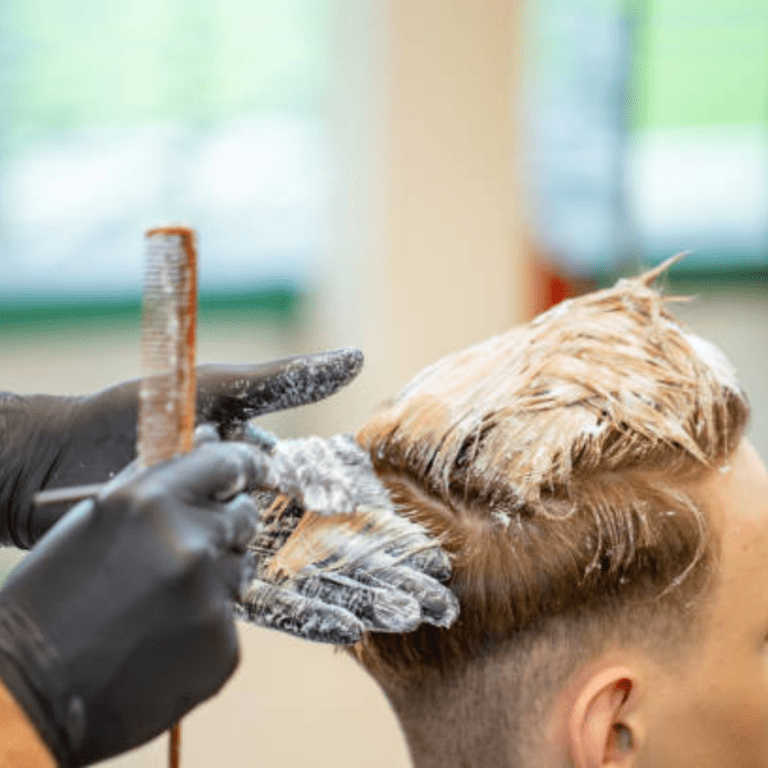
- Wear gloves, protect your hairline with a little petroleum jelly, and follow the timing on the box exactly.
- Use a professional for bleach, especially going from dark to blonde. Over-processing can cause breakage.
- Stop and rinse out the product if irritation develops. Seek medical advice for a reaction and urgent help for breathing difficulty or swelling of the lips, tongue or throat.
Should you dye at home or go to a salon?
| DIY at home | Salon or barber | |
|---|---|---|
| Cost | Low | Higher |
| Best for | Grey blending, darker shades, semi-permanent colors | Bleaching, platinum, highlights, balayage, big changes |
| Risk | Uneven results, brassiness | Lower, with professional color matching |
How to Care for Color-Treated Hair
- Follow the product or colourist’s washing instructions. Rinse dye out when directed; do not leave it on to make the colour last longer.
- Use sulphate-free, color-safe shampoo and conditioner.
- Wash with lukewarm or cool water and skip daily shampooing if you can.
- Use purple shampoo once or twice a week for blonde, silver and grey hair to stop yellow tones.
- Protect from sun and chlorine with a hat or UV-protective product, and rinse after swimming.
- Deep condition weekly if you’ve bleached your hair.
- Book regular trims to remove dry, damaged ends.
If you’re coloring your beard too, start with our guide to the best organic beard kits. Our beard styles guide then helps you pick a shape.
Questions men ask about dyeing their hair
What hair color is most attractive on men?
There’s no single answer, but natural-looking shades that suit your skin tone usually look best. Rich browns, soft blacks, sandy blondes and well-kept salt and pepper stay consistently popular.
How can men cover grey hair naturally?
Grey blending with demi-permanent color is the most natural-looking option. It reduces grey gradually instead of covering it completely.
Is hair dye bad for men’s hair?
Occasional, properly used dye is generally fine, but permanent dye and especially bleach can dry and weaken hair. Good aftercare and spacing out treatments reduce damage. Always do a patch test before you dye.
How long does men’s hair dye last?
Temporary colour often washes out quickly. Semi- and demi-permanent colour fade with washing; check the product’s guidance. Permanent dye changes the treated hair, but its shade can still fade as new roots grow.
Can I go from black to blonde at home?
It’s possible, but it’s risky without a professional. Dark hair needs significant bleaching and toning to reach blonde without turning orange. A professional colorist will give a safer, more even result.
Should I dye my beard to match my hair?
No, contrasting hair and beard colours are simply a style choice. If you want to colour your beard, use a product labelled for that purpose and follow its allergy-test instructions.
Choose the upkeep before the shade
The best hair color suits your skin tone, matches the upkeep you’ll accept, and makes you feel confident. Start subtle with grey blending, a richer brown or soft highlights, or go all in with platinum or copper. Just patch test first, choose the right dye type, and look after your hair afterwards.
This guide is for general information. Speak to a dermatologist before coloring if you’ve reacted to hair dye before or have a sensitive scalp.
Where our safety advice comes from
FDA: hair dye precautions and FDA: allergy testing and hair dye safety.