Quick answer: Most men only need three pairs to start: dark jeans, khaki or navy chinos and grey wool trousers. Beyond those, the main types are dress trousers, corduroys, linen, pleated, wide-leg, high-waisted, cropped, cargo, carpenter and drawstring pants. Joggers, sweatpants and technical travel pants cover the casual end.
Change only your pants, and the same shirt can go from office to weekend. They set the formality, shape your silhouette and decide which shoes make sense. Get them right and the rest of the outfit is easy.
Relaxed and straight-leg cuts have now replaced the skinny fits of the 2010s. Below are 16 types of men’s pants, what sets each one apart, and when and how to wear them.
Which pants suit which occasion
| Type | Formality | Best for |
|---|---|---|
| Jeans | Casual to smart casual | Everyday wear, weekends, casual offices |
| Chinos | Smart casual to business casual | Work, dates, almost anything |
| Dress trousers | Business to formal | Office, interviews, weddings |
| Wool / flannel trousers | Smart casual to formal | Autumn and winter, office |
| Corduroy | Casual to smart casual | Cold weather, weekend style |
| Linen trousers | Casual to smart casual | Summer, holidays, hot climates |
| Pleated trousers | Smart casual to formal | Tailored looks, comfort |
| Wide-leg / relaxed trousers | Casual to smart casual | Fashion-forward outfits |
| High-waisted trousers | Smart casual to formal | Vintage-inspired, tucked-in looks |
| Cropped pants | Casual to smart casual | Warm weather, showing off shoes |
| Cargo pants | Casual | Streetwear, outdoors, travel |
| Carpenter pants | Casual | Workwear style, weekends |
| Drawstring pants | Casual to smart casual | Summer, travel, relaxed days |
| Joggers | Casual | Errands, travel, athleisure |
| Sweatpants / track pants | Very casual | Home, gym, lounging |
| Technical / travel pants | Casual to smart casual | Commuting, flights, hiking |
16 Types of Pants Every Man Should Know
1. Jeans
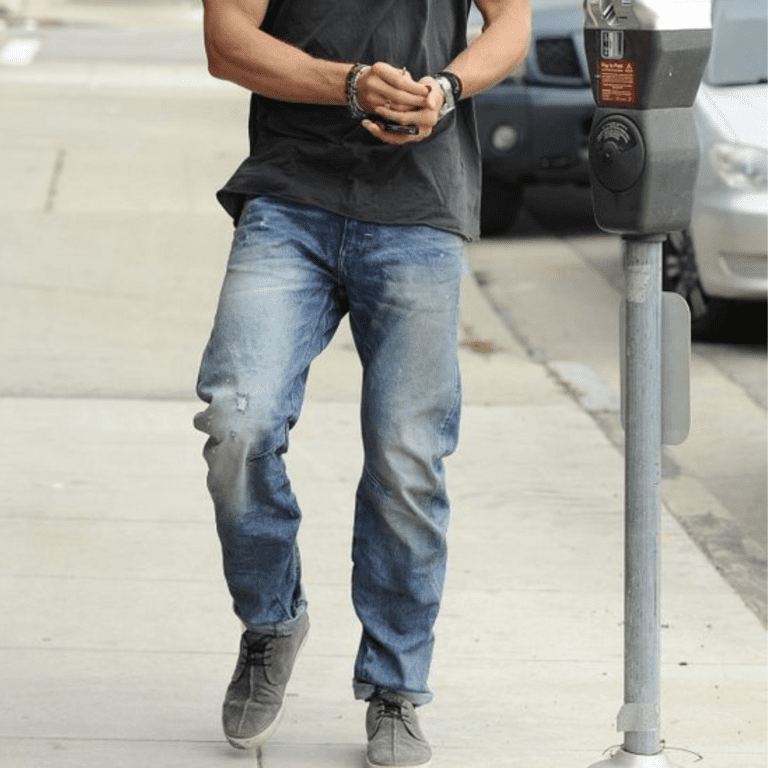
Jeans are cotton denim trousers, originally made as hard-wearing workwear. Today they’re the default casual pant for most men. The wash changes everything: dark indigo looks smart enough for dinner, while lighter and faded washes are strictly weekend.
Fits to know: slim, straight, relaxed, tapered and bootcut. Straight and relaxed-tapered fits are the most popular right now, and they suit most body types.
How to wear: dark jeans with an Oxford shirt and Chelsea boots for smart casual. On weekends, try lighter jeans with a T-shirt and sneakers. Pair them with a denim shirt only if the washes are clearly different.
2. Chinos
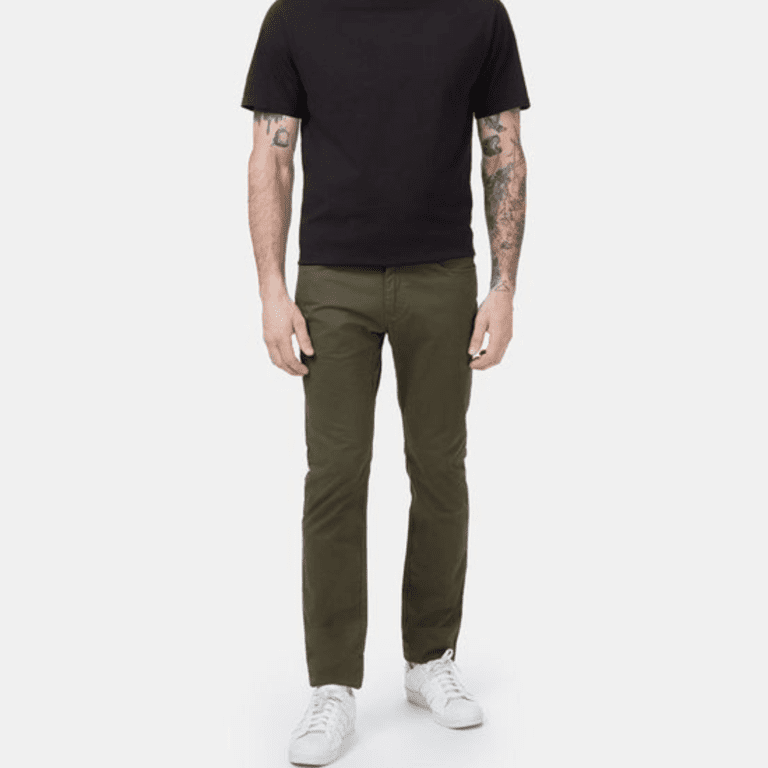
Chinos are lightweight cotton twill trousers with slanted front pockets and a clean front. They sit right between jeans and dress trousers, which makes them the most versatile pants a man can own. Khakis are a close cousin, usually a little heavier and more casual.
Best colours: khaki/stone, navy, olive and grey.
How to wear: with a polo and loafers on weekends, or with a shirt and blazer for business casual. They’re the backbone of most classy casual outfits for guys.
3. Dress Trousers
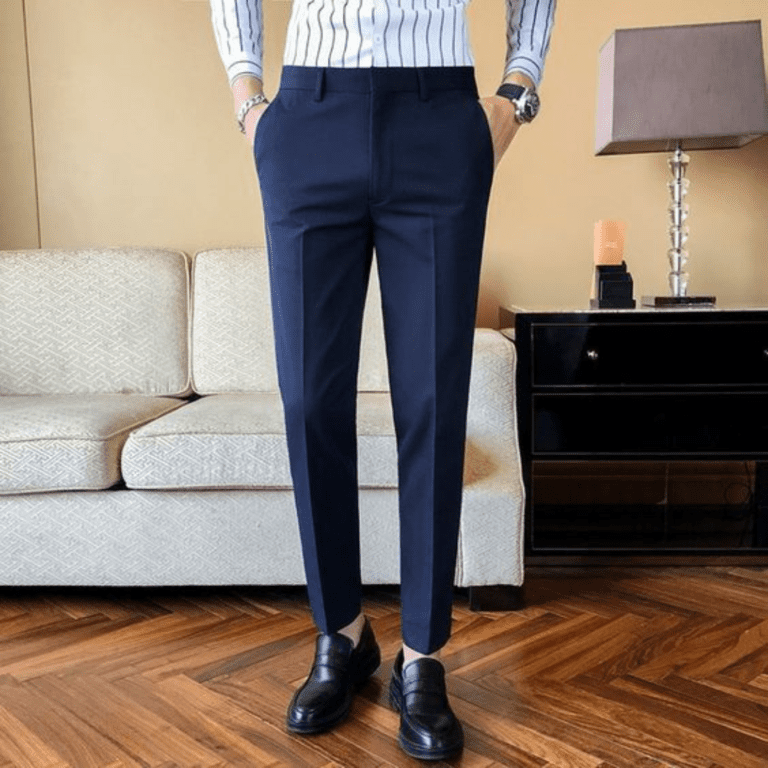
Dress trousers (or dress pants) are tailored to wear with a jacket or on their own at work. Most have a creased front and belt loops or side adjusters, in wool, wool blends or polyester blends.
Best for: the office, interviews, weddings and formal dinners.
How to wear: with a dress shirt and leather shoes such as Oxfords, derbies or loafers. Charcoal and navy are the most useful colours, as they pair with almost any shirt and jacket.
4. Wool and Flannel Trousers
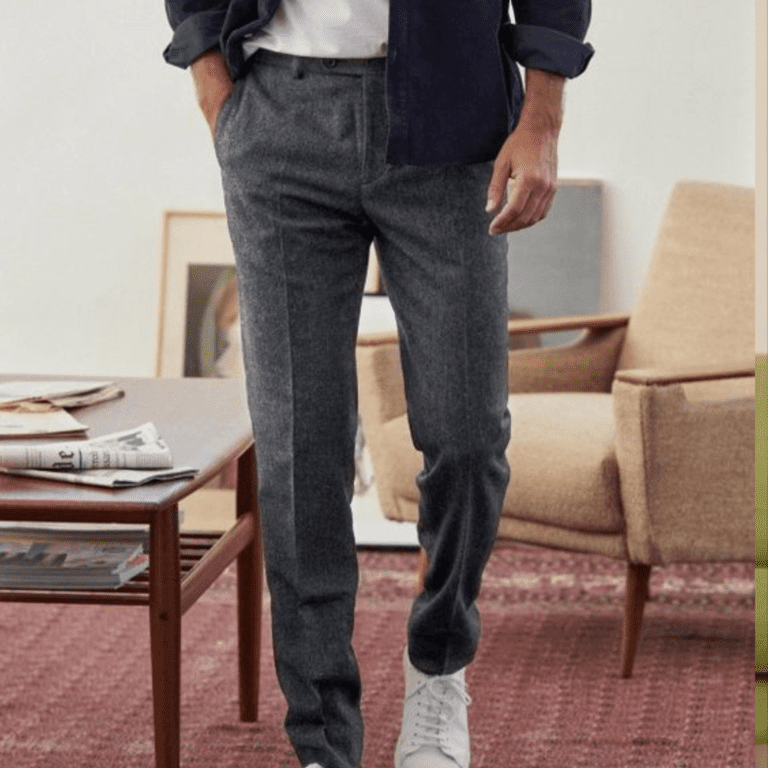
Wool trousers aren’t only for suits. A pair of grey flannel or worsted wool trousers dresses up a sweater or casual shirt instantly. Wool is warm, breathes well, resists wrinkles and drapes beautifully. It stays comfortable across more temperatures than most people expect.
Best for: autumn and winter, smart offices, evenings out.
How to wear: grey flannels, a navy knit and brown suede shoes make one of menswear’s most reliable cold-weather outfits.
5. Corduroy Pants
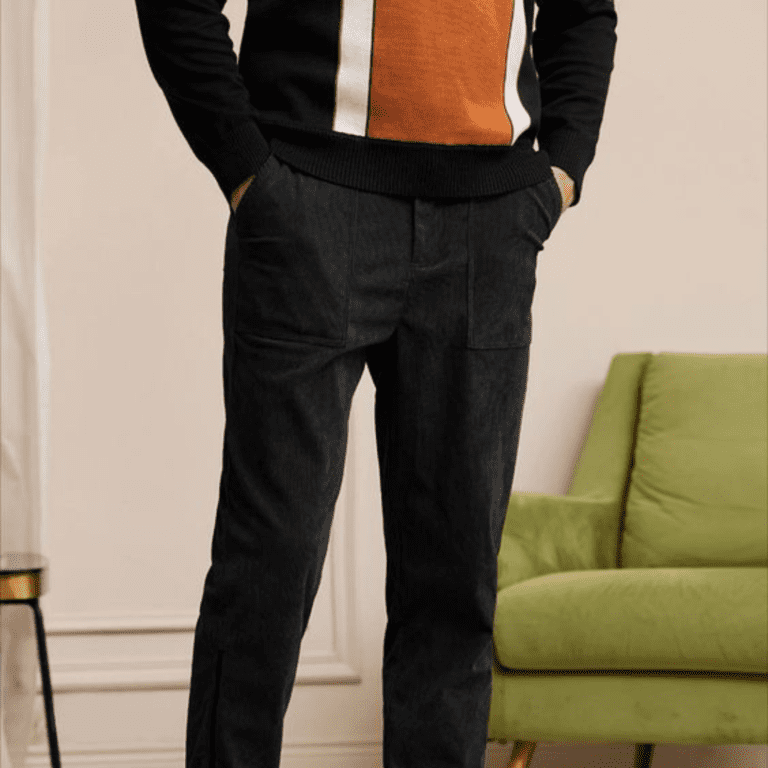
Corduroy is a ribbed cotton fabric. The ribs are called wales: wide wale looks chunkier and more casual, while fine (pinwale) cord looks neater. Corduroys are warmer than chinos and add texture that makes simple outfits look more interesting.
Best colours: brown, olive, navy, cream and rust.
How to wear: with a chunky knit or flannel shirt and boots. Keep the top plain so the texture of the cord stands out.
6. Linen Trousers
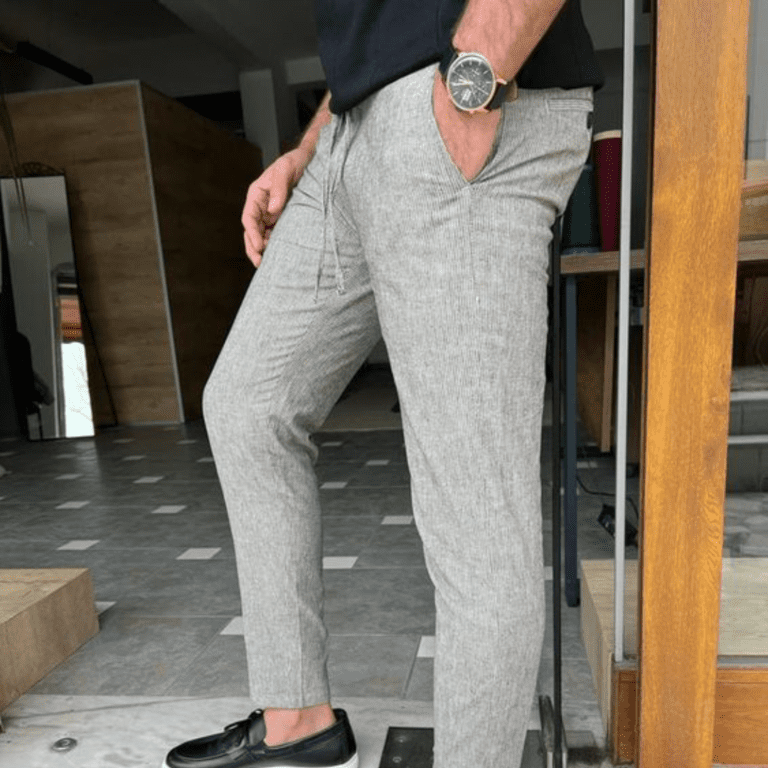
Linen is made from flax fibres. It’s one of the coolest fabrics for hot weather because it breathes and dries quickly. The catch is that it wrinkles easily. Most people accept the creases as part of the look, but a linen-cotton blend creases less.
Best for: summer, beach weddings, holidays and humid climates.
How to wear: in white, sand or light blue, with a linen or knit polo and loafers or leather sandals.
7. Pleated Trousers
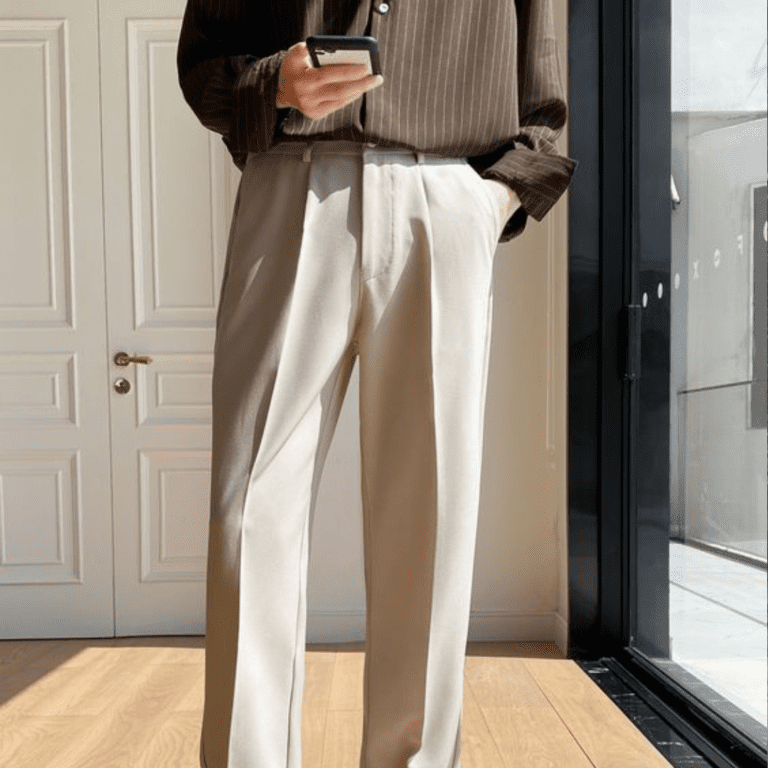
Pleated trousers have folds of fabric at the front waistband. The extra room makes them more comfortable when you sit, and it helps them drape cleanly down the leg. After years of flat fronts, pleats are firmly back in tailoring and smart casual.
Best for: men with athletic thighs or bigger frames, and anyone who prefers comfort.
How to wear: with a tucked-in knit polo or shirt to show off the waist, plus loafers. Single or double pleats both work, though a single pleat looks more subtle.
8. Wide-Leg and Relaxed Trousers
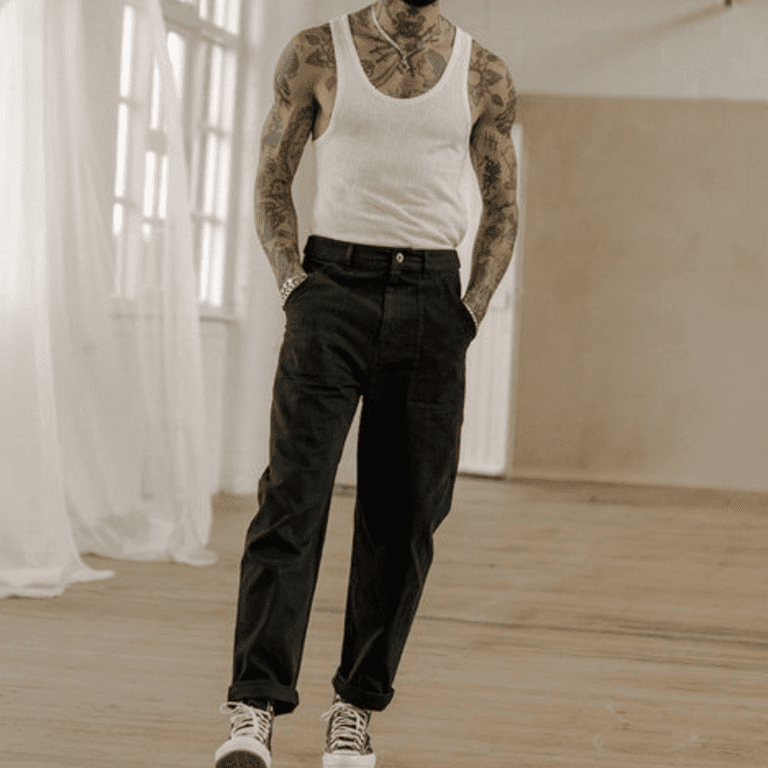
Relaxed and wide-leg trousers are cut fuller through the thigh and leg opening. They’re the clearest sign of how menswear has moved away from skinny fits. These cuts are comfortable and photograph well, but they need balance to look intentional.
How to wear: keep the top neat or slightly cropped, like a boxy tee, short jacket or tucked shirt. Pick chunkier shoes such as thick-soled loafers, derbies or retro sneakers. Slim shoes tend to disappear under a wide hem.
9. High-Waisted Trousers
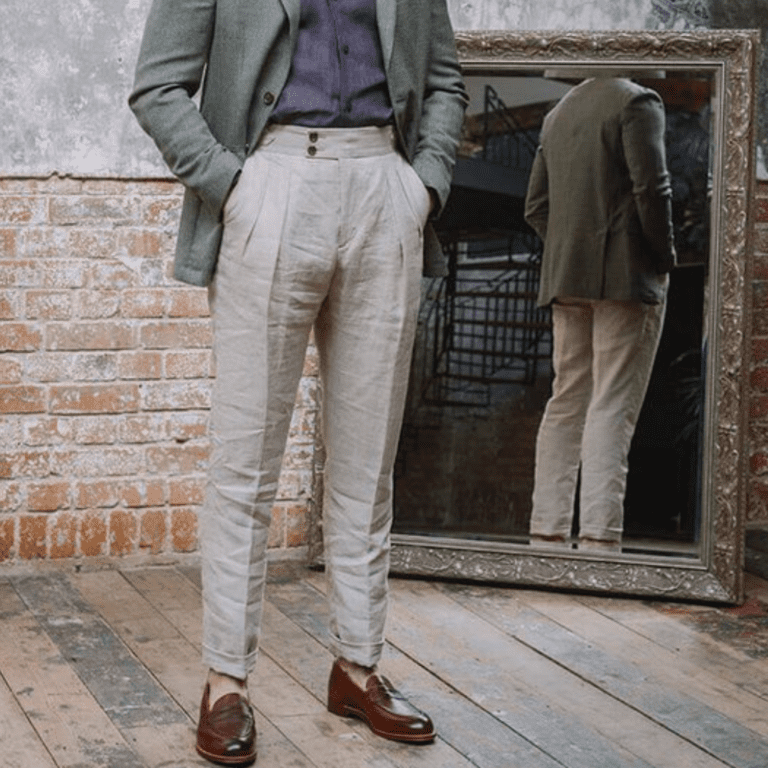
High-waisted (high-rise) trousers sit at or near your natural waist, around the belly button, instead of on the hips. They were standard in menswear until the 1960s and are now a favourite in vintage-inspired and tailored looks.
Best for: shorter men and anyone who wants their legs to look longer. A higher rise makes the leg line start higher.
How to wear: always tuck your top in, otherwise you lose the effect. Side adjusters or braces look cleaner than a belt.
10. Cropped Pants
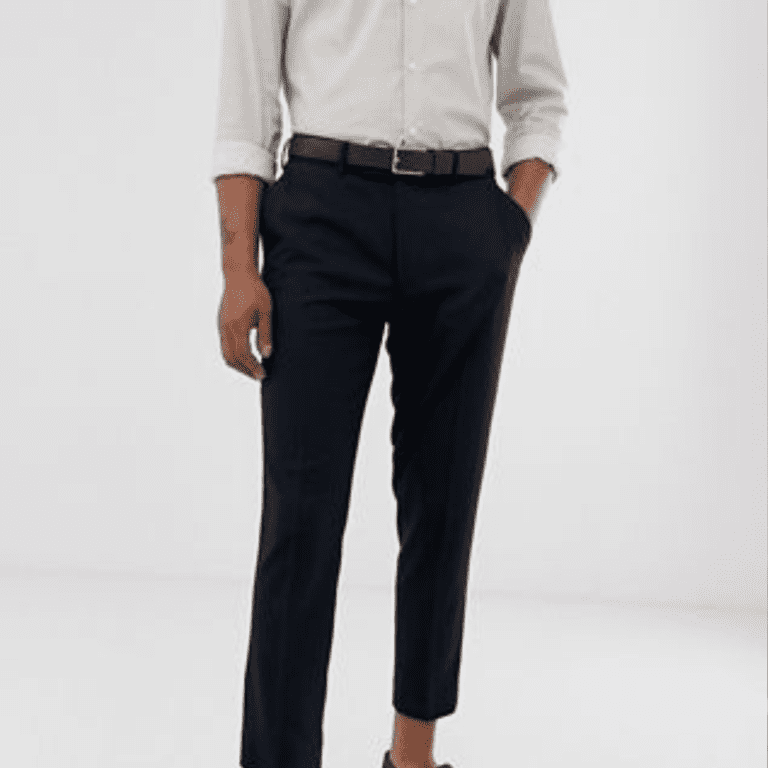
Cropped or ankle-length pants end just above the ankle bone. They show off your shoes and feel cooler in warm weather.
How to wear: with loafers, minimal sneakers or espadrilles and no-show socks. Avoid cropping wide-leg trousers too much, or they can look like they shrank in the wash.
11. Cargo Pants
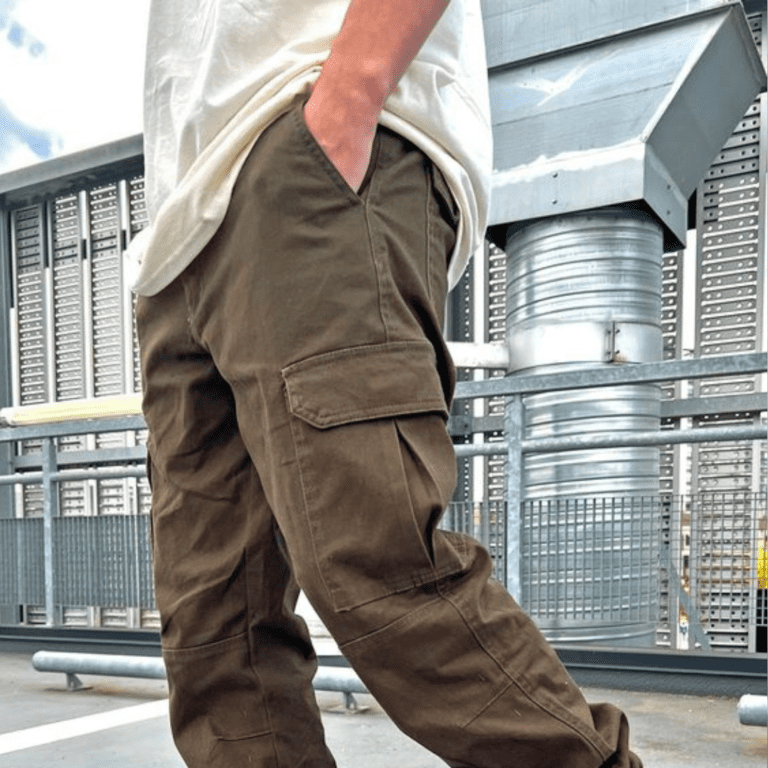
Cargo pants are defined by the large patch pockets on the thighs. They started as military battle-dress trousers in the 1930s and 40s. Since then they’ve moved through 90s streetwear and back into fashion.
How to wear: modern cargos are cleaner and less baggy than the 2000s versions. Wear them with a plain T-shirt or sweatshirt, a simple jacket and sneakers or boots. Let the pants be the only utility piece in the outfit.
Camo cargo pants: keep everything else plain and dark, like a black tee and black sneakers, so the print stays the focus.
12. Carpenter Pants
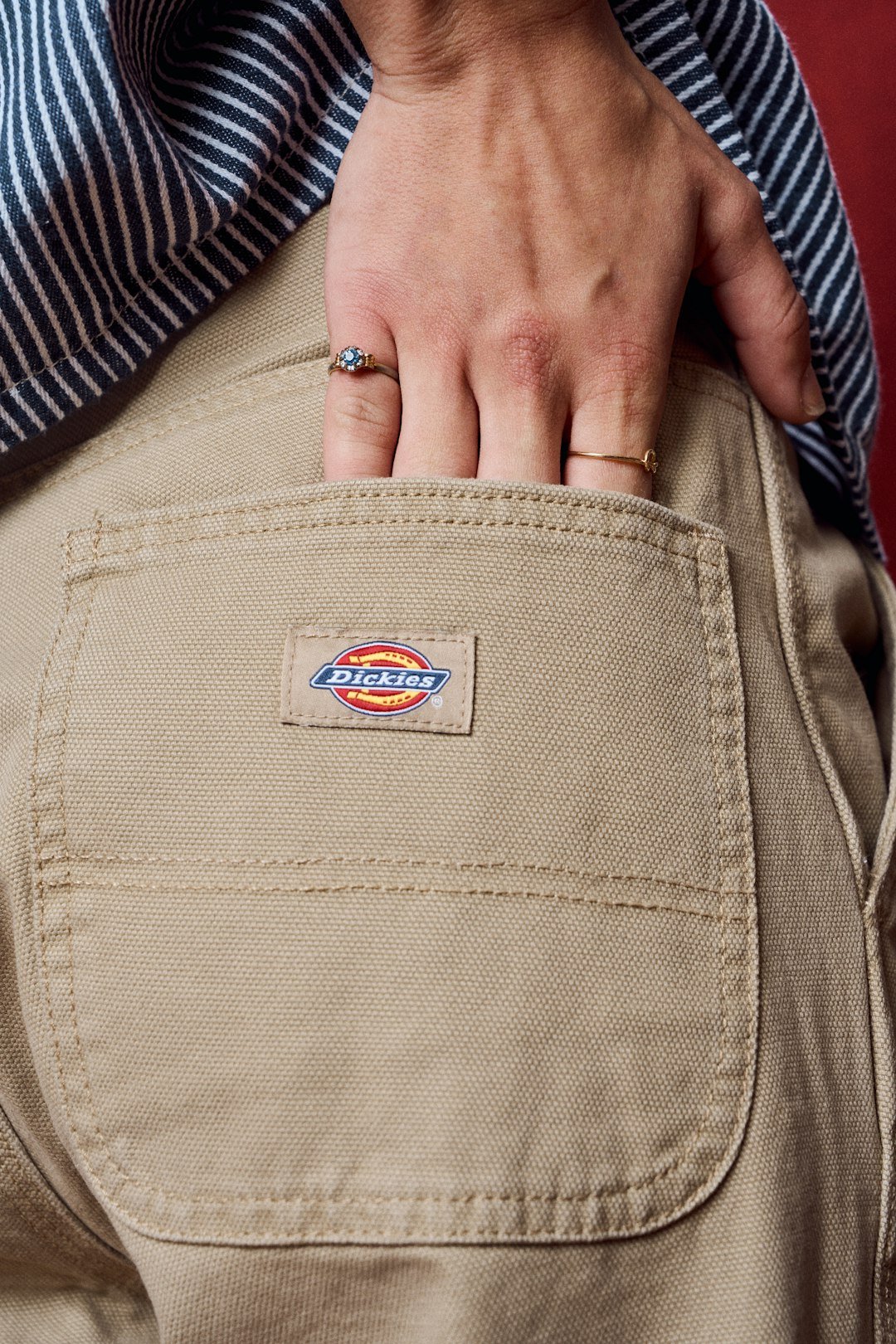
Carpenter pants come from American workwear. They’re cut from heavy cotton canvas or denim, with a side hammer loop and a thigh tool pocket. Expect them to feel tougher and roomier than jeans, and to soften and fade nicely over time.
How to wear: with a chore coat, flannel shirt or plain sweatshirt, and work boots or chunky sneakers.
13. Drawstring Pants
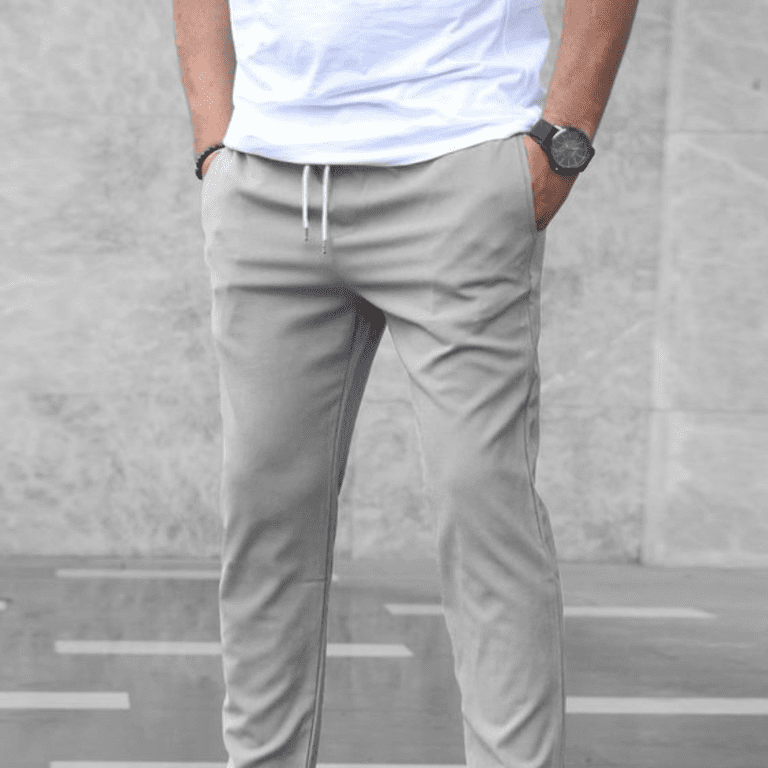
Drawstring trousers have an elasticated or tie waist. Unlike sweatpants, they’re made from woven fabrics like linen, cotton or seersucker. That makes them comfortable without looking like loungewear.
How to wear: with a camp-collar shirt or polo and leather sandals or loafers for an easy summer look.
14. Joggers
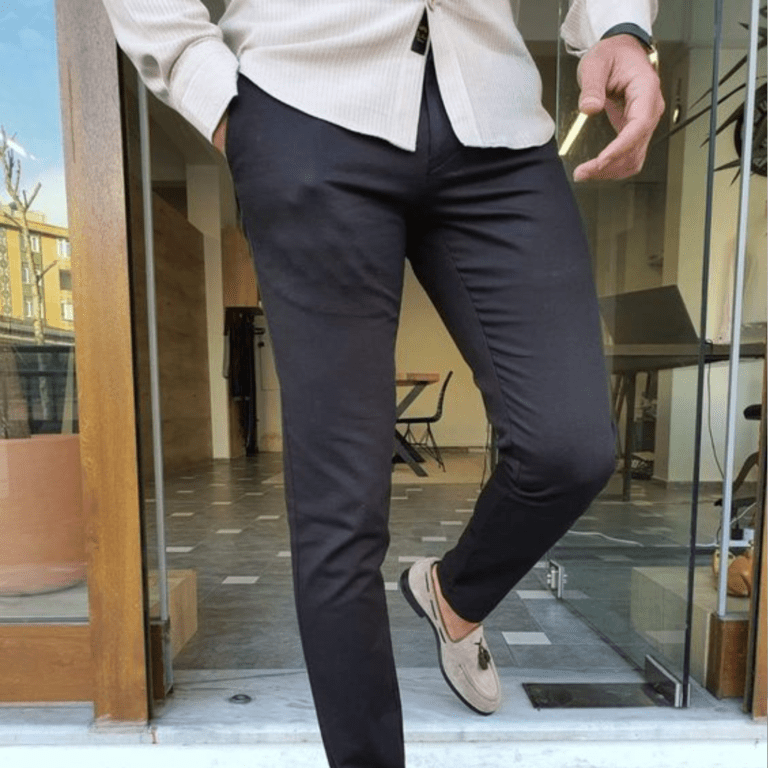
Joggers are tapered pants with an elastic waist and cuffed ankles. They can be made of fleece, French terry, cotton twill or technical stretch fabrics. Twill or tech-fabric joggers look smarter than fleece ones.
How to wear: with clean sneakers, a T-shirt or hoodie, and a bomber or overshirt. They’re great for travel and errands, but they don’t belong at a dinner or office with a dress code.
15. Sweatpants and Track Pants
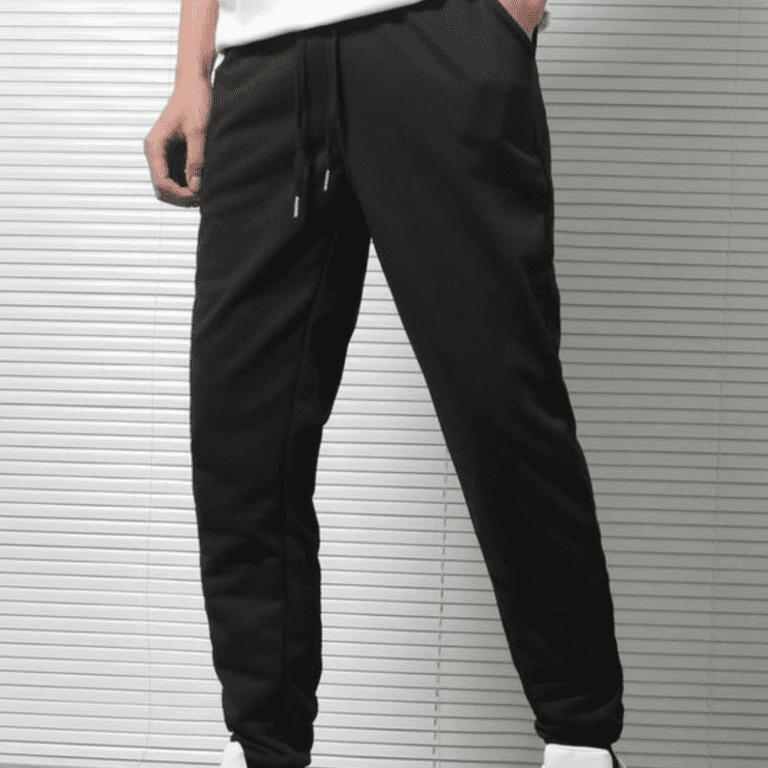
Sweatpants are cut from soft knitted fleece or jersey. Track pants are usually lighter polyester or nylon, often with side stripes. Both are built for comfort, movement and the gym.
How to wear: matching sets in grey, navy or black look intentional. Keep them clean and well-fitting, and save them for casual settings.
16. Technical and Travel Pants
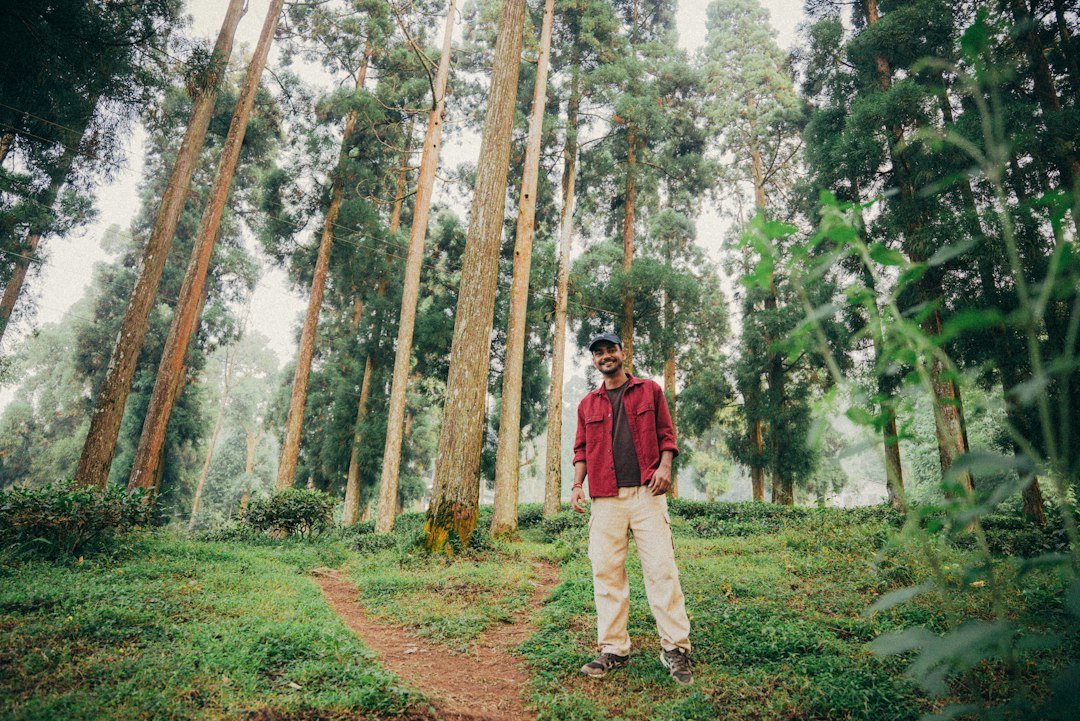
Tech or travel pants look like chinos but use stretch nylon, polyester or blends. They’re wrinkle-resistant, quick-drying and often water-repellent. Some even have hidden zip pockets for valuables. If you commute by bike, travel often or live somewhere rainy, they’re worth owning.
How to wear: exactly like chinos: with a polo, Oxford shirt or knit and minimal sneakers.
How your pants should fit
The leg shape matters as much as the type of pant. Comparing the leg opening (width of the hem) is a quick way to judge fit. Brands vary, but these approximate ranges are a useful guide:
| Fit | Approx. leg opening | Looks like |
|---|---|---|
| Skinny | Under 6.5 in (16.5 cm) | Tight from hip to ankle; now looks dated on most men |
| Slim | About 6.75 to 7.5 in | Close but not tight |
| Straight | About 7.5 to 8.25 in | Even width from knee down; the safest choice |
| Relaxed | About 8.5 to 9.5 in | Roomy, easy drape |
| Wide | 9.5 in and up | Full, fashion-forward silhouette |
Rise is the distance from the crotch seam to the waistband. A mid or high rise is usually more comfortable and flattering than a low rise.
Break is how the hem meets your shoe. A slight break, where the fabric just touches the shoe, works for most trousers. Wider pants can have a little more length, while cropped styles should have none.
Which pants suit your body type
- Shorter men: high or mid rise, straight leg and minimal break. Match pant and shoe colour to lengthen the leg.
- Tall and slim: straight or relaxed fits, pleats, cords and cuffs add helpful width and texture.
- Athletic thighs: look for athletic-taper cuts or pleated trousers that give room up top and narrow below the knee.
- Bigger frame: mid-to-high rise, straight leg, darker colours and pleats for comfort. Avoid very skinny or very tapered legs, which can make the upper body look larger.
The 5 Pairs Worth Owning First
- Dark indigo jeans
- Khaki or stone chinos
- Navy chinos
- Grey wool trousers
- One seasonal pair: linen for hot climates, corduroy for cold ones
With these five, you can dress for almost every situation from a casual weekend to a job interview.
Questions men ask about pants
How many types of pants are there for men?
There’s no fixed number, since pants can be grouped by fabric, cut or purpose. Most style guides cover 15 to 30 types. The core ones are jeans, chinos, dress trousers, wool trousers, corduroys, linen pants, cargo pants, joggers and sweatpants.
What is the difference between chinos and khakis?
Both are made from cotton twill. Chinos are usually lighter, slimmer and dressier, with hidden stitching. Khakis tend to be heavier and more casual, and the word khaki also refers to the tan colour.
What is the most versatile pants style for men?
Chinos are the most versatile pair you can own. Dress them up with a blazer and leather shoes, or down with a T-shirt and sneakers. They suit almost every body type.
Are skinny jeans still in style for men?
Not really, because slim, straight and relaxed cuts have largely replaced skinny fits. A slim or straight leg looks more current and suits most men better.
What pants are in style for men in 2026?
Straight-leg, relaxed and pleated trousers are popular, along with fuller chinos and wide-leg tailoring. Cleaner cargos and white or off-white summer trousers are popular too. Classic dark jeans and chinos remain safe choices.
What pants should I wear to a job interview?
Wear charcoal, navy or grey dress trousers (ideally as part of a suit) for corporate roles. For relaxed or creative companies, well-pressed chinos with a blazer usually work.
Start with three pairs and build from there
Nobody needs all 16 types of pants. Start with jeans, chinos and wool trousers, and get them fitted properly. Add cords, linen, pleats or cargos later as your life calls for them. The right fit and the right fabric for the season will do more for your style than any trend.